Volume 149, Issue 11November 2026
Cover image

Volume 149, Issue 11, November 2026
Editorial
Scientific Commentaries
This scientific commentary refers to ‘Low-dose IL-2 fails to expand Tregs after alemtuzumab: insight into impaired immune tolerance in multiple sclerosis’, by Georgieva et al. (https://doi.org/10.1093/brain/awag171).
This scientific commentary refers to ‘Diagnosing multiple sclerosis: implementation and unintended effects of the 2024 McDonald criteria’, by Foster et al. (https://doi.org/10.1093/brain/awag293).
This scientific commentary refers to ‘Imaging subtypes reveal distinct biological substrates and disability profiles in multiple sclerosis’, by Preziosa et al. (https://doi.org/10.1093/brain/awag320).
This scientific commentary refers to ‘Tyrosyl-tRNA sequestration triggers tyrosyl-tRNA synthetase-associated peripheral neuropathy’, by Mallik et al. (https://doi.org/10.1093/brain/awag204).
Essay

Zanello et al. examine the life and achievements of Jean Bancaud who, together with Jean Talairach, pioneered stereo EEG (SEEG). Although initially met with scepticism, the methodology they developed in the late 1950s remains the cornerstone of preoperative assessment in refractory epilepsy today.
Opinions
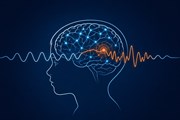
Functional seizures in children highlight a gap between ideal care models and real-world practice. Parikh et al. discuss the role of paediatric neurologists in helping families navigate diagnosis and uncertainty when coordinated, multidisciplinary care is hard to access.
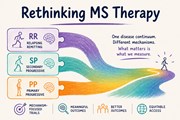
Sormani et al. argue that multiple sclerosis should be viewed as a biological continuum rather than distinct clinical forms. Evidence from recent trials suggests that therapies targeting shared biological mechanisms can slow disability progression across the disease spectrum, supporting a shift away from traditional classifications.
Review Articles

Data sharing can advance medical research, but some types of brain data carry greater privacy risks than others. Hendriks et al. argue that safeguards should be tailored to the likelihood of reidentification and sensitive inferences, helping to maximize scientific value while protecting individuals and communities.
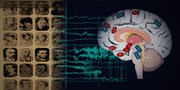
Villani et al. explore the relationship between epilepsy and aggression, tracing the historical origins of epilepsy-related stigma alongside the clinical and neurobiological basis of peri-ictal aggression. They compare aggression in seizures and parasomnias, highlighting diagnostic challenges and forensic implications.
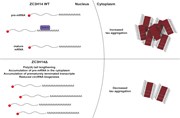
Loss of function of the RNA binding protein ZC3H14 has been associated with intellectual disability and suppression of tau toxicity in model systems. Shelby et al. review the functions of ZC3H14 and discuss how altered RNA regulation may contribute to neuronal dysfunction, cognitive impairment, and tau-related neurodegenerative disease.
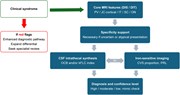
Foster et al. review the evolution of multiple sclerosis diagnostic criteria and the changes introduced in the 2024 McDonald criteria. They examine how new diagnostic options could increase variation and misdiagnosis risk across healthcare settings, and outline safeguards to support accurate and consistent diagnosis.
See Evangelou and Gilmartin (https://doi.org/10.1093/brain/awag346) for a scientific commentary on this article.
Update
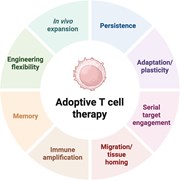
Several adoptive T cell therapy platforms are emerging as promising treatment strategies for refractory neuroinfectious and neuroinflammatory diseases. Lambert and Cortese propose a disease-centred framework linking immune dysfunction to cellular therapies, offering a roadmap for future treatments.
Report
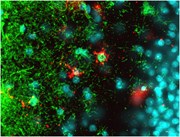
Darricau et al. provide novel insights into mechanisms driving tau phosphorylation and aggregation in non-human primates, identifying small α-synuclein aggregates as a potential trigger of tau co-pathology and showing that distinct α-synuclein aggregate species induce different patterns of tau pathology.
Clinical Trial
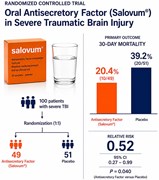
Cederberg et al. present the results of a double-blind, placebo-controlled trial in patients with severe traumatic brain injury, showing that treatment with Salovum®—a medical food supplement enriched with antisecretory factor—almost halved the 30-day mortality rate. The findings support further evaluation of Salovum® in larger trials.
Original Articles
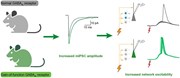
Paradoxically, mutations that enhance GABAA receptor function cause severe epilepsy. Using a mouse model of a human gain-of-function GABAA receptor mutation, McKenzie et al. show that increased channel function causes excessive inhibition between inhibitory neurons, weakening feed-forward inhibition and increasing cortical excitability.
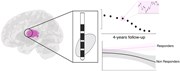
Aiello et al. show that thalamic activity recorded from epilepsy patients receiving deep brain stimulation can predict treatment success early on. These biomarkers could guide personalized therapy, offering new hope for improving outcomes in drug-resistant epilepsy.
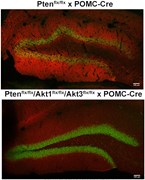
Loss-of-function mutations in PTEN cause neuronal hypertrophy and excessive excitatory synaptogenesis linked to autism and epilepsy. Prina & Goyette et al. show that deleting Akt1 and Akt3 in Pten-conditional knockout mice rescues these abnormalities and prevents seizures, identifying AKT as a therapeutic target.
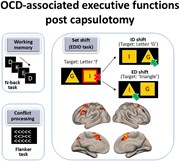
Zhao et al. report that capsulotomy surgery improves error monitoring and behavioural flexibility in individuals with severe obsessive-compulsive disorder, while leaving working memory and conflict processing deficits intact. They suggest that these persistent deficits may be trait markers of the disorder.
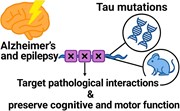
Seizures and sleep disturbances are common in Alzheimer's disease and are linked to abnormal tau signalling. Shandilya et al. show that modifying a key region of tau in mice reduces its pathological interactions with proteins implicated in seizures and excitotoxicity, while preserving normal cognitive and motor function.
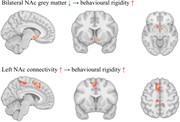
Chen et al. show that rigid and repetitive behaviours occur across dementia syndromes, most prominently in behavioural variant frontotemporal dementia. These symptoms are linked to structural and functional changes in the brain’s reward hub, the nucleus accumbens.
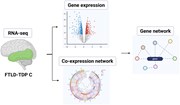
Rajicic et al. performed bulk RNA sequencing on post-mortem temporal cortex from patients with FTLD-TDP C. After excluding tauopathy-related genes and adjusting for neuronal loss, they found a specific downregulation of postsynaptic pathways—particularly those involved in receptor assembly and synaptic transmission.
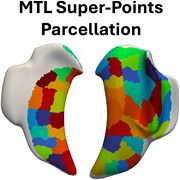
Lyu et al. combined MRI-based medial temporal lobe morphometry with plasma ptau217 to assess tau-neurodegeneration mismatch in Alzheimer's disease, identifying three subgroups with distinct mismatch profiles, atrophy patterns, and cognitive trajectories despite similar disease severity.
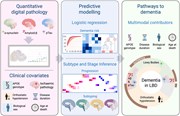
Nelvagal et al. used machine learning and disease modelling to study 399 brains from people with Lewy body diseases and controls. The findings reveal multiple pathways to dementia shaped by pathology burden, APOE genotype, and clinical factors, helping to refine progression models and provide a basis for precision therapies.
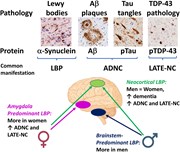
Gibson et al. analysed postmortem brains from over 7000 older adults. Lewy body pathology was present in more than one in four people, with anatomical distributions of pathology differing by sex and showing distinct associations with dementia and co-pathologies such as Alzheimer’s disease.
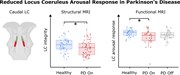
Lund et al. identify structural degeneration and reduced arousal-related responses in the caudal locus coeruleus in Parkinson’s disease. These changes correlate with cognitive impairment and orthostatic hypotension, pointing to noradrenergic contributions to non-motor symptoms.
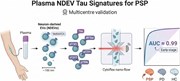
Zheng et al. identify plasma neuron-derived extracellular vesicles carrying tau proteins as biomarkers for progressive supranuclear palsy (PSP). These markers accurately distinguish PSP from Parkinson’s disease, even in early stages, offering a promising non-invasive blood test for clinical diagnosis.
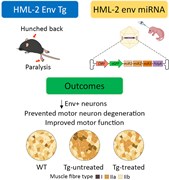
Expression of the envelope protein from human endogenous retrovirus-K subtype HML-2 induces ALS-like symptoms in mice. Lee et al. show that delivering three artificial microRNAs targeting the HML-2 env gene via an AAV reduces neurodegeneration and improves motor function, supporting gene therapy for forms of ALS linked to HML-2.
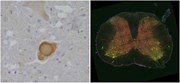
Kwan et al. characterise a genetic form of ALS caused by a missense mutation in CHCHD10, showing a stereotyped flail arm syndrome phenotype and a likely toxic gain-of-function mechanism. The findings set the stage for future gene-directed clinical trials.
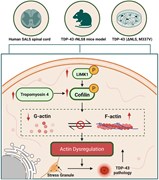
Jones Jagaraj et al. show that cofilin is hyperphosphorylated in post-mortem spinal cord tissue from patients with sporadic ALS, disrupting actin dynamics and promoting TAR-binding protein 43 (TDP-43) mislocalization and aggregation. Preventing cofilin phosphorylation in vitro reduced TDP-43 pathology, highlighting a potential new therapeutic strategy.
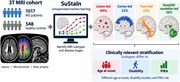
Preziosa et al. apply SuStaIn to 3 T brain MRI scans and identify four distinct multiple sclerosis subtypes, each with a specific pattern of structural damage accumulation. The subtypes are linked to age at onset, disability and disease worsening, supporting more biologically informed patient stratification.
See Uher and Nagels (https://doi.org/10.1093/brain/awag349) for a scientific commentary on this article.
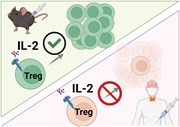
Georgieva et al. investigated whether interleukin-2 could expand regulatory T cells (‘peacekeeping’ immune cells) to reduce autoimmune complications after alemtuzumab treatment in MS. Despite success in other conditions, this approach failed in MS, providing insights into mechanisms underlying immune tolerance breakdown.
See Hunt (https://doi.org/10.1093/brain/awag308) for a scientific commentary on this article.
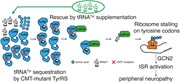
Mallik et al. discovered that peripheral neuropathy caused by mutations in YARS1 arises when mutant YARS1 protein sequesters a vital transfer RNA (tRNA), thus hampering protein biosynthesis. Overexpressing this tRNA in animal models rescued nerve and motor defects, identifying a promising gene therapy strategy.
See Sleigh (https://doi.org/10.1093/brain/awag340) for a scientific commentary on this article.
Book review