


Volume 220, Issue 1, 2026
Immunometabolism
Autoimmunity/Autoimmune Disease
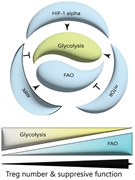
This review summarises how metabolic cues orchestrate regulatory T cell fate through the HIF 1α/mTOR/AMPK axis. It highlights the reciprocal control of glycolysis and fatty acid oxidation in maintaining immune tolerance. Understanding these metabolic checkpoints may enable targeted strategies to enhance Treg stability in type 1 diabetes.
Inflammation/Inflammatory Disease
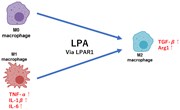
Lysophosphatidic acid (LPA) is a crucial bioactive lipid mediator involved in various physiological processes. However, its role in macrophage polarisation remains poorly understood. The aim of this study was to elucidate the modulatory effect of LPA on macrophage polarisation, particularly its ability to shift M1 macrophages toward an M2-like phenotype. Our results suggest that treatment with LPA may help ameliorate diseases characterised by aberrant macrophage polarisation. Our study provides insights for the development of potential therapeutic strategies for inflammatory and autoimmune diseases.
Fuel for Thought: Perspectives on Immunometabolism
Immunometabolism
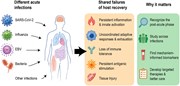
Long COVID did not invent the post-acute phase of infection; it made it impossible to ignore. Acute infections are still often framed as time-limited events that end in recovery, deterioration or death, but this view fails to capture patients who remain biologically and clinically unwell after the acute infection has passed. The problem extends beyond SARS-CoV-2. Post-acute morbidity has been described after influenza, Epstein-Barr virus infection, Q fever, sepsis and other infections, yet definitions, coding systems and clinical pathways remain fragmented. We argue that post-acute infection should not be organised only by the initiating pathogen.
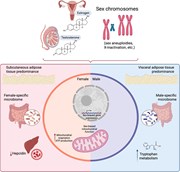
In this perspective, we argue that sex should be treated as a fundamental mechanistic input in immunometabolism, rather than solely as a statistical confounder or covariate, with direct consequences for how existing and new data are interpreted, and for how new therapies for immunometabolic health conditions are developed.
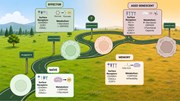
The T cell pool shifts from highly diverse naïve cells expressing CD45RA, CCR7 and CD62L in early life toward increasingly abundant memory and effector cells, with greater glycolytic activity during effector function and FAO/OXPHOS reliance in memory cells. In later life, naïve cells decline while chronic antigen exposure promotes late-differentiated and exhausted/senescent phenotypes, marked by KLRG1, CD57, PD-1, LAG-3 and TIM-3, contributing to impaired vaccine responses and infection susceptibility.
CEI's 60th anniversary special collection
Infection/Infectious Disease
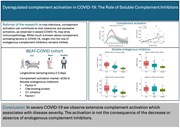
In viral infections, complement activation can contribute to viral clearance, but excessive activation, as observed in severe COVID-19, may drive immunopathology. While much is known about complement-activating factors in COVID-19, insight into the role of endogenous complement inhibitors remains limited.
Research Articles
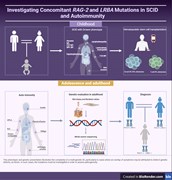
Hide We report a rare case of a complex immune dysregulation in a post-hematopoietic stem cell transplantation severe combined immunodeficiency (SCID) patient found to harbor two distinct inborn errors of immunity (IEI)-associated genetic mutations. The SCID with Omenn phenotype was linked to recombination activating gene (RAG)-2 deficiency, while later autoimmunity was suspected to be caused by a novel lipopolysaccharide-responsive and beige-like anchor (LRBA) variant. Analysis showed normal LRBA and CTLA4 expression levels, indicating that the LRBA variant is unlikely to be pathogenic. Autoimmune features were likely due to RAG-2-related autoimmunity in the context of reduced donor chimerism or graft versus host disease. This case highlights the significance of functional immunological testing for confirming clinical relevance of novel genetic variants, especially in complex IEI within consanguineous populations, as herein.
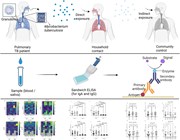
Despite the high global prevalence of Mycobacterium tuberculosis (Mtb) infection in humans, most infected individuals achieve a stable immunological equilibrium, without showing clinical signs and symptoms of tuberculosis (TB). In this cross-sectional study, we quantitated antibody responses to Mtb antigens, lipoarabinomannan (LAM), and heparin-binding hemagglutinin adhesin (HBHA) by determining antigen-specific immunoglobulin A(IgA) and G(IgG) secretion levels using enzyme-linked immunosorbent assay (ELISA) in serum and saliva of pulmonary TB patients (PTB), their household contacts (HHC), and community controls (CC) (determined by QuantiFERON TB Gold assay QFT-test result). Our findings highlight the potential involvement of saliva IgA in the immune response to Mtb, underscoring the relevance of mucosal immunity in TB infection.
Allergy and Asthma
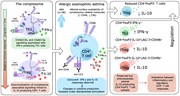
The complosome regulates Th1 cell differentiation through autocrine production of C3a and C3b, engaging CD46/C3b signaling, and subsequently promotes the switching into induced regulatory T cells producing IL-10 during the late phase of the adaptive immune response. CD4+ T cells from allergic eosinophilic asthma (AEA) patients show elevated CD46 expression together with decreased C3b production that is associated with dysregulated cytokine environment in AEA (↑ IFN-γ, ↑ IL-10). However, upon in vitro αCD3/αCD46/IL-2 activation model, CD4+ T-cells from AEA patients differentiate into elevated numbers of induced regulatory T cell subsets, including CD4+FoxP3-IL-10+LAG-3+CD49b+ and CD4+FoxP3-IL-10+LAG-3-CD49b+ T cells and these populations secrete large quantities of the anti-inflammatory cytokine IL-10, suggesting a potential candidates modulating chronic inflammation in asthma.
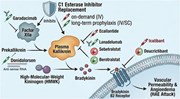
Hereditary angioedema (HAE) is a rare disorder of recurrent swellings of the subcutaneous and/or mucosal tissues due to defects in the contact system regulation of bradykinin production. This review focuses on management of HAE due to C1-esterase inhibitor deficiency/dysfunction including a global perspective which is under-represented in the literature.
Autoimmunity/Autoimmune Disease
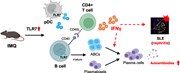
CD4⁺ T cell–derived IFNγ has been suggested to contribute to SLE, but its role in B cell pathology remains unclear. Using the IMQ-induced lupus mouse model, we show that activated CD4⁺ T cells produce IFNγ that promotes the differentiation of B cells into ABCs and plasma cells. This IFNγ-driven pathway enhances IgG autoantibody production and contributes to the development of glomerulonephritis.
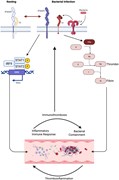
In SLE, chronic type I interferon signalling and intrinsic monocyte metabolic defects perturb tissue factor (TF) induction, impairing TF-dependent immunothrombosis and predisposing patients to severe infection despite systemic hypercoagulability. The TF–IFNAR1 “molecular switch” linking coagulation and interferon pathways appears maladaptively rewired in SLE, with contrasting high-TF/low-IFN signatures seen in SLE patients with secondary APS. Therapeutically targeting interferon signalling and monocyte metabolism may restore antimicrobial TF responses without exacerbating thrombosis, but validation in primary SLE monocyte subsets is needed.
Autoreactive B cells that remain in lymphatic tissue after anti-CD20 antibody therapy are considered a major contributing factor to relapse in patients with autoimmune diseases. Natural killer (NK) cells contribute to the depletion of autoreactive B cells by rituximab in patients with autoimmune diseases. However, the impact of germinal centre-associated signals CD40L and IL-4 on ADCC was unknown. This study used a combination of flow cytometry, immunohistochemistry and ex vivo functional assays using PBMCs to investigate how CD40L and IL-4 affect NK cell-B cell interactions. Overall, this study identifies a novel mechanism of resistance of B cells to NK cell cytotoxicity and indicates that blockade of the HLA-E:NKG2A and HLA:KIR checkpoint axes could be beneficial for improving B cell depletion in patients with autoimmune diseases.
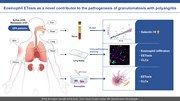
This study demonstrated an association between eosinophil-derived intracellular granule release and disease activity, together with evidence of eosinophil extracellular trap formation (EETosis). These findings suggest that eosinophils may actively contribute to the progression of granulomatosis with polyangiitis (GPA), rather than being incidental bystanders.
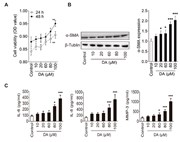
Increased glycolytic metabolism in synovial fibroblasts contributes to their activated phenotype in rheumatoid arthritis (RA). Our previous results revealed that the activation of the dopamine D3 receptor (D3R) in mast cells reduced inflammation in a mouse model of RA. In this study, we explored the role of D3R in regulating dopamine-induced activation and glycolysis in synovial fibroblasts from patients with RA (RASFs).
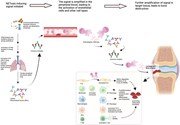
Neutrophil extracellular traps (NETs) play an important role in the development of rheumatoid arthritis (RA). Clinical evidence shows that components of NETs are linked to disease activity in RA, treatment response, and important disease processes such as autoantibody formation and bone destruction. Altogether, NETs have the potential to serve as both a useful biomarker and a therapeutic target for RA.
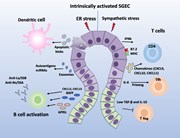
Crosstalk between salivary gland epithelial cells (SGECs) and immune populations in Sjögren’s disease.
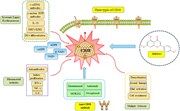
CD38 exerts a key role in autoimmunity and autoimmune disease and serves as a promising therapeutic target for autoimmune disease. CD38 protein may provide new insights of autoimmune diseases.
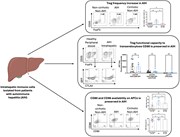
Autoimmune hepatitis (AIH) is a rare, T cell mediated liver disease that can result in acute liver and progressive chronic liver disease. We have described the phenotype of immune cells from within the liver of patients with AIH and demonstrate preserved Treg frequency with an activated phenotype and preserved functional capacity to transendocytose CD80. However, CD80 and CD86 levels were maintained suggesting an imbalance between Treg function and CD80 and CD86 availability and therefore possibly of CD28 costimulation.
Glucocorticoids, interferon 2a, colchicine, and azathioprine are recommended by EULAR for various manifestations of Behçet syndrome (BS). Curcumin is a natural compound with anti-inflammatory activities. NKG2D is a receptor expressed by NK, NKT, and CD8pos T cells implicated in recognizing stressed cells. This study aimed to: 1) evaluate the effects of selected drugs used in the management of BS plus curcumin on NKG2D expression by lymphocytes; 2) test the effects of these drugs on immune cell subsets; 3) determine whether immune cells from BS patients respond differently to those from healthy controls (CTR).
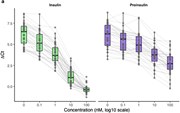
Displacement of IAA binding by increasing log10 concentrations (0–100 nM) of unlabeled insulin (green; actual concentrations 0–86 nM) or proinsulin (purple; actual concentrations 0–53 nM). ΔCt values are shown for each individual sample (grey lines), with boxplots summarizing the distribution at each concentration.
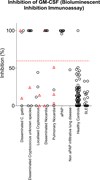
Autoantibodies against granulocyte–macrophage colony-stimulating factor (GM-CSF) are the cause of autoimmune pulmonary alveolar proteinosis (aPAP). They are also found in the serum/plasma of previously immunocompetent patients with disseminated Cryptococcus spp. infection (typically spp. gattii) and disseminated Nocardia spp. infection. We report a bioluminescent immunoassay (BLIA) platform which accurately detects inhibition of GM-CSF detection in serum. The BLIA is technically simple, rapid and easily automatable and could be easily employed in a diagnostic laboratory. The performance characteristics of the BLIA result in rapid and accurate screening of patients with these uncommon autoantibody-mediated conditions, allowing for quick diagnosis and referral for specialist management.
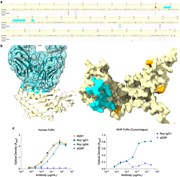
Here we evaluate the efficacy of a primatized version of the anti-FcRn antibody Rozanolixizumab and the IgG cleaving enzyme IdeS in depleting IgG in pigtail macaques, and report how levels of major immunoglobulin classes, antigen-specific IgG subclasses, and antibody functions are impacted by these interventions.
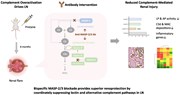
Lupus nephritis (LN) is a major cause of organ damage in systemic lupus erythematosus and is driven in part by overactivation of the lectin pathway (LP) and alternative pathway (AP) of complement. Mannan-binding lectin-associated serine protease-2 (MASP-2) initiates LP through C4/C2 cleavage, whereas MASP-3 enables AP amplification by activating pro-factor D. We hypothesized that concurrent inhibition of both proteases would provide superior renoprotection compared with single-pathway blockade in established disease. Female BALB/c mice with pristane-induced LN received anti-MASP-2, anti-MASP-3, bispecific antibodies, or vehicle for 4 weeks.
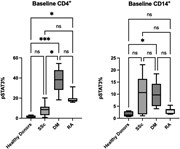
The Janus kinase/signal transducer and activator of transcription (JAK/STAT) pathway mediates signalling of several cytokines implicated in dermatomyositis (DM), but the contribution of individual JAK family members remains poorly defined. Peripheral blood mononuclear cells were isolated from patients with active DM (n = 5), rheumatoid arthritis (RA, n = 7), systemic sclerosis (SSc, n = 7), and healthy donors (HD, n = 5). Phosphorylated STAT3 (pSTAT3) levels were measured in CD4+ cells and CD14+ cells by flow cytometry in theabsence and presence of selective JAK inhibitors targeting JAK1 (abrocitinib), JAK2 (gandotinib), JAK3 (decernotinib), or TYK2 (deucravacitinib).
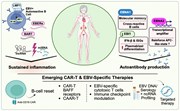
Non-coding RNAs have potential as biomarkers of disease activity and clinical heterogeneity. EBV and ncRNAs may converge to amplify immune dysregulation in SLE. EBV-encoded proteins may reshape host regulatory programs linked to autoreactive B-cell activation. The EBV-ncRNA axis may help refine patient stratification for targeted therapies. Immune-targeted therapies, such as CAR-T, may benefit from EBV- and ncRNA-based biomarkers.
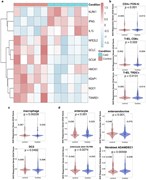
Increased oxidative stress, and impaired activation of the anti-oxidant transcriptional regulator Nuclear factor erythroid 2-related factor 2 (Nrf2) have been implicated in the pathogenesis of Coeliac Disease. In this study, analysis of single cell RNA sequencing data from duodenal biopsies of patients with Coeliac Disease revealed increased oxidative stress and impaired Nrf2 activation in cell types central to disease pathogenesis, while pharmacological activation of Nrf2 suppressed the expression of inflammatory mediators in duodenal biopsies ex vivo. These findings suggest that targeting redox imbalance may represent a beneficial therapeutic strategy for the treatment of Coeliac Disease.
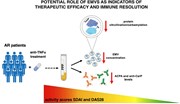
In RA patients anti-TNFa therapy significantly reduces the concentration of circulating EMVs.
In RA patients anti TNFa therapy significantly reduces citrullinated and carbamylated proteins, anti-citrullinated protein antibodies (ACPA) and anti-carbamylated protein (anti-CarP) antibodies.
EMV-associated citrullinated and carbamylated proteins could represent novel biomarkers for monitoring therapeutic response and immune resolution in RA.
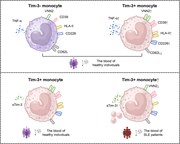
Systemic lupus erythematosus (SLE) is a complex autoimmune disease characterized by immune dysregulation. Tim-3 is an immune checkpoint receptor implicated in various autoimmune conditions. This study aimed to evaluate Tim-3 expression across monocyte subsets in newly diagnosed, treatment-naive SLE patients and assess its clinical relevance and diagnostic potential
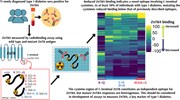
Autoantibodies to zinc transporter 8 (ZnT8A) are important diagnostic and predictive markers for type 1 diabetes (T1D). Current methods to detect ZnT8A use C-terminal ZnT8 (aa268-369) and previous research identified three major ZnT8A epitopes [R325, W325, and a four residue confirmational epitope (R332/E333/K336/K340 (REKK))], but the human-specific cysteine region has not been investigated. In this article, we confirm previous findings of R325/W325/REKK epitopes, show that a high Tween-20 concentration reduces ZnT8A binding, and demonstrate that mutating individual cysteines in C-terminal ZnT8A reduces binding in 325-agnostic ZnT8A and in at least 10% of T1D cases reduced binding below that of previously described epitopes.
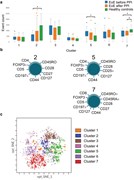
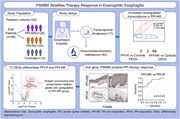
Eosinophilic esophagitis (EoE) is a chronic allergic inflammatory condition characterized by eosinophilic infiltration of the esophagus and dysregulated T-cell responses. Proton pump inhibitors (PPIs) are a treatment option for patients with EoE, however, biomarkers for non-invasive monitoring of treatment response are lacking. In this study, we prospectively enrolled twenty patients with EoE who were treated with PPIs, of whom nineteen completed their treatment, and analyzed peripheral blood immune profiles using mass cytometry (CyTOF), comparing them with age- and sex-matched healthy controls.
Myasthenia gravis (MG)-associated myocarditis is a rare but life-threatening complication whose immune basis remains poorly defined. Integrating single-cell RNA sequencing with paired T cell receptor (TCR) repertoire profiling of peripheral blood, we show that MG-myocarditis is driven not by shifts in immune cell abundance but by a pronounced transcriptional reconfiguration–pro-inflammatory skewing of classical CD14+ monocytes alongside enhanced antigen-presenting signatures in CD16+ monocytes and conventional dendritic cells (cDCs). Expanded TCR clonotypes in CD8+ effector memory (EOMES+) and effector subsets show preferential predicted reactivity to cardiac antigens including Titin, MYO10 and MYH6, supporting a hypothetical model in which cDC- and monocyte-mediated presentation of cardiac antigens primes pathogenic CD8+ T cells to drive myocardial injury.
Cancer Immunity
Radiation-induced lymphopenia following brain-irradiation may influence tumor response to cancer treatment. Interactions between the immune system, tumor and radiotherapy manifest as global lymphopenia, and result in changes in B-lymphocyte and T-lymphocyte levels. We assessed the longitudinal effects of brain-irradiation on B-lymphocyte and T-lymphocyte concentrations in mice with and without glioblastoma. This study highlights the impact of lymph node radiation exposure and tumor volume on lymphocyte reduction and the utility of modeling in predicting long-term lymphocyte levels following brain irradiation.
This review expounds on current research progress on the use of circulating T lymphocyte subsets as predictors of ICI efficacy and discusses their reliability and potential as predictive tools.
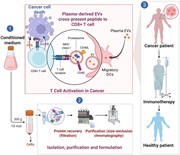
Exosomes are nanoscale extracellular vesicles that integrate molecular cues to modulate immune responses across cancer and infection contexts. This review dissects mechanistic pathways, including Rab GTPase-TLR signaling crosstalk, non-canonical antigen presentation, and the dichotomy of immunostimulatory versus immunosuppressive exosomes, highlighting their roles in tumor progression, immune tolerance, and pathogen-driven immune evasion. Finally, we explore the emerging therapeutic potential of exosomes as precision immunomodulators and next-generation vaccine platforms.
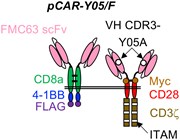
Here, we describe the late-stage optimisation of an avidity optimised CD19 parallel CAR for Phase 1 clinical evaluation. To minimise risk of insertional mutagenesis and immunogenicity respectively, we transitioned from a gammaretrovirus to a third generation lentiviral expression vector and removed epitope tags used to discriminate between CAR and CCR expression. Most strikingly, we found that inactivation of immune tyrosine activation motif 2 and 3 within our pCAR prototype markedly potentiated efficacy in xenograft-bearing NSG mice.
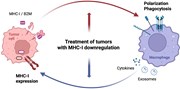
Bidirectional regulatory interactions between tumor-associated macrophages (TAMs) and major histocompatibility complex class I (MHC-I) molecules on tumor cells shape the tumor microenvironment and immunotherapy responses. MHC-I downregulation alters TAM composition and function, including phagocytosis. Repolarizing TAMs and activating phagocytosis represent promising therapeutic strategies for "cold" tumors with MHC-I deficiency, but translational challenges require distinguishing MHC-I loss mechanisms.
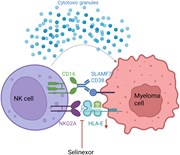
Selinexor downregulates HLA-E on multiple myeloma cells, disrupting the inhibitory NKG2A:HLA-E immune checkpoint and enhancing NK cell activation and cytotoxicity. This effect persists in the presence of IL-6 or IFN? which mimic the myeloma TME, and improves ADCC with daratumumab and elotuzumab, with 24-hour selinexor pre-treatment producing optimal daratumumab-mediated ADCC. These findings support combining selinexor with therapeutic antibodies in multiple myeloma and highlight treatment timing as an important consideration.
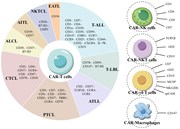
This review summarizes recent advances in CAR-based therapies for T-cell malignancies, focusing on clinical translation barriers, emerging solutions, and future directions. We highlight promising target antigens under preclinical and clinical investigation, as well as alternative effector platforms, including natural killer (NK) cells, NKT cells, γδ T cells, and macrophages, that hold potential as next-generation CAR-expressing cellular therapeutics.
Immunity & Ageing
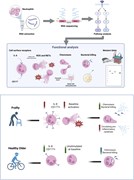
In this study we have combined RNAseq with functional experiments to describe the phenotype of neutrophils from people with frailty. We found that frailty neutrophils had altered gene expression with activation of G-protein coupled receptors, interferon and cytokine receptor signalling, and chemotaxis pathways. This was associated with altered ROS and NET production, impaired chemotaxis and impaired bacterial killing capacity compared to healthy older neutrophils.
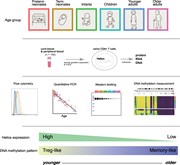
Fetuses, neonates, and infants are vulnerable to infectious diseases. At the same time, they are exposed to many harmless antigens; therefore, suppressing unnecessary immune responses to maintain immune tolerance is a rational strategy. In the elderly, chronic inflammatory and autoimmune diseases are more likely to occur due to inappropriate and dysregulated immune responses. Helios, encoded by the IKZF2 gene, is a marker for natural regulatory T cells (Treg) but is also expressed at low levels in naïve CD4+ T cells. Its expression decreases with age, which may contribute to an excessive immune response in older individuals.
Immunodeficiency
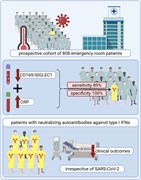
In a large prospective cohort of patients with signs of respiratory infections, low monocytic CD169/SIGLEC1 expression combined with high CRP levels effectively predicted the presence of neutralizing autoantibodies against type I interferons, offering a potential rapid screening tool. These autoantibodies were associated with poorer clinical outcomes, regardless of SARS-CoV2 infection status.
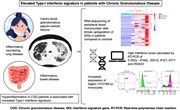
Type I interferon signature is found to be significantly more elevated in patients with Chronic Granulomatous Disease (CGD) with hyperinflammatory complication in comparison to those who have an infection or have asymptomatic disease. Type I interferon signature is found to be elevated in heterozygous carriers of CYBB mutations who are symptomatic with autoimmunity. Measurement of CD169 by flowcytometry is a reliable surrogate marker for measuring type I interferon signature in these patients.
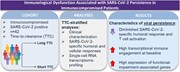
This study investigated immunological factors associated with time to viral clearance of SARS-CoV-2 infections in immunocompromised patients. We found that prolonged infection was associated with reduced SARS-CoV-2-specific humoral responses and diminished development of CD4+ and CD8+ T cell activation, while levels of IFN-?-producing T cells were sustained. Baseline transcriptional profiling revealed increased transcriptional immune engagement of CD8+ T and NK cells among patients with prolonged infection, suggesting that SARS-CoV-2 persistence may be reflective of an actively engaged yet dysregulated immune response in some immunocompromised patients.
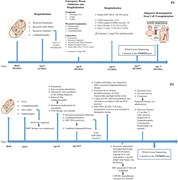
We report two new cases of CD137 deficiency carrying a rare multi-exonic TNFRSF9 deletion that has only been described once before. This finding suggests that large structural variants may represent an underestimated cause of CD137 deficiency. Our report broadens both the genotypic and phenotypic spectrum of this ultra-rare inborn errors of immunities.
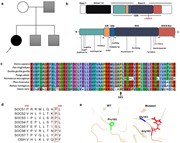
SOCS1 haploinsufficiency is an inborn error of immunity with dysregulated JAK–STAT signaling and heterogeneous autoimmune, infectious, and inflammatory phenotypes; its spectrum and management remain unclear. We report a 29-year-old woman with a novel heterozygous SOCS1 variant (c.494C>T; p.Pro165Arg) identified by whole-exome sequencing. Variant impact was assessed in silico (CADD, conservation mapping, AlphaFold3, PremPS) and functionally by measuring total and phosphorylated STAT1 expression in patient vs control cells at baseline and after IFN-? stimulation. We also reviewed data from 20 previously reported SOCS1-deficient patients.
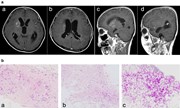
A patient with a typical CARD9-deficient phenotype, including CNS candidiasis, was complicated by a concurrent CNS infection with Mycobacterium intracellulare. Functional studies revealed impaired dendritic cell TNF-α responses to mycobacteria and selective loss of neutrophil BPI. These findings suggest a potential innate immune mechanism contributing to mycobacterial susceptibility in CARD9 deficiency.
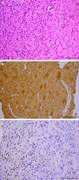
Interleukin-2–inducible T-cell kinase (ITK) is critical for T-cell receptor signaling and antiviral immunity. ITK deficiency is a rare combined immunodeficiency, classically linked to EBV (Epstein–Barr virus)-driven lymphoproliferation, with only two previous reports of EBV-associated smooth muscle tumors (EBV-SMT). This paper represents the first African case of ITK deficiency complicated by EBV-SMT, expanding the recognized tumor spectrum and highlighting that EBV can remain localized within tissue despite negative systemic serology. The combination of CD4? T-cell lymphopenia and Treg reduction underscores ITK’s critical role in antiviral immunity and tumor surveillance. Tissue-based EBV detection is essential for accurate diagnosis in immunodeficient patients presenting with smooth muscle tumors.
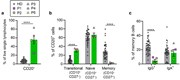
CARD11 is a scaffold protein expressed primarily in hematopoietic tissues, shaping key processes in B and T cells via regulation of Ag-linked signaling pathways including NF-κB, mTOR, JNK, and AKT. Heterozygous, gain-of-function (GOF) variants in its encoding gene, CARD11, are implicated in a human disorder characterized by frequent upper respiratory infections, poor responses to polysaccharide vaccines, vulnerability to certain opportunistic viruses, and polyclonal B-cell expansion, likely predisposing these patients to lymphoma. Our study sought to investigate the effect of increased CARD11 activity on the development, maturation, activation, differentiation and effector function of adaptive lymphocytes from a cohort of five individuals harboring monoallelic CARD11 GOF variants through detailed ex vivo immunophenotyping and in vitro analyses.
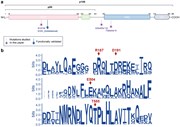
This study represents the first and largest case series of Chinese patients with NF-κB1-related diseases, providing molecular characterization for three novel variants. In this limited case series, the observed delayed onset and frequent hepatic complications in our cohort may reflect regional factors, such as HBV endemicity, or ascertainment bias. Our findings underscore that suspected AOSD accompanied by hypogammaglobulinemia warrants immediate genetic investigation. Early diagnosis is essential to prioritize immunoglobulin replacement and prevent fatal complications from immunosuppressive therapy.
Cutaneous vasculitis resembling Henoch-Schonlein purpura (HSP) is an underrecognized manifestation of IL12RB1/IL12B defects Vasculitic manifestations in IL12RB1/ IL12B defects are primarily pathogen-driven, specifically by Salmonella sp. Antimicrobial therapy alone resulted in resolution of the vasculitic rash Cutaneous vasculitis may serve as an early diagnostic clue to underlying IL12RB1/ IL12B defects
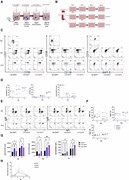
Patients with antibody deficiencies who failed to respond to SARS-CoV-2 vaccination showed impaired B-cell function, characterised by reduced IgA class-switching, lower overall cell yields in vitro, and diminished BAFF-R expression. While plasma cell differentiation capacity and IGH repertoire diversity were largely preserved, BAFF-R surface expression was consistently lower in non-responders, without evidence of compensatory BAFF pathway activation. These findings suggest that reduced BAFF-R expression reflects a B-cell-intrinsic defect and may represent a promising biomarker for identifying patients at risk of vaccine failure, pending validation in larger cohorts.
Hereditary angioedema (HAE) is a rare genetic disorder characterised by recurrent episodes of swelling, which can potentially be life-threatening, resulting in substantial physical, psychological, educational and occupational burden. In this policy-focused review, we compare UK access criteria with international guidelines on best practice. We conclude that UK access criteria result in a group of HAE patients with persisting unmet need, and this may have a greater impact in children and young people.
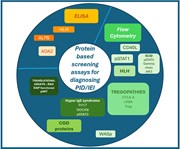
The review sets out how protein-based assays: flow cytometry and ELISA, allow rapid diagnosis of inborn errors of immunity, ahead of or alongside genetic testing. It distinguishes expression assays from functional ones, illustrating both with cases including XLP2, APDS, X-linked SCID, hyper-IgM, WAS, DOCK8 deficiency and IPEX. It concludes that these assays are particularly valuable for resolving variants of unknown significance, directing genetic analysis and monitoring patients after transplant or gene therapy.
Immune Regulation
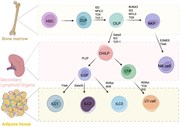
In this review, we examine the subpopulations, distribution patterns, and multifaceted roles of ILCs in the heart during CVDs, and discuss potential strategies to modulate ILC plasticity. We anticipate that, in the future, more precise immune modulation of ILCs will emerge as a promising therapeutic approach for CVDs, ultimately benefiting public health.
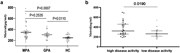
Metrnl, a recently identified cytokine with immunomodulatory properties, has been implicated in various inflammatory diseases, but its role in AAV is unknown. This study investigated serum Metrnl levels in 37 patients with microscopic polyangiitis (MPA), 17 with granulomatosis with polyangiitis (GPA), and 30 healthy controls (HCs) using ELISA. Our study provides the first evidence that serum Metrnl is elevated in AAV and is associated with disease activity and renal impairment. The strong association with renal dysfunction, robustly demonstrated by both correlation and stratification analyses, suggests Metrnl warrants further investigation as a potential biomarker for renal involvement in AAV.
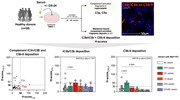
We developed an ex vivo assay to evaluate individual susceptibility to complement dysregulation using healthy donor sera on endothelial cells. By combining immunofluorescence and genetic sequencing, we identified distinct complement activation profiles and rare variants in complement regulatory genes in affected individuals. This new FH-dependent model using quiescent endothelial cells provides a valuable tool for investigating complement activity and its underlying mechanisms.
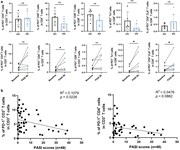
Plaque psoriasis (PP) is a chronic immune-mediated inflammatory disease driven by dysregulation of the IL-23/Th17/IL-17 axis. Although IL-17A targeted biologics achieve robust clinical efficacy, how cytokine blockade is accompanied by systemic immune remodeling during disease control remains incompletely understood. The objective was to characterize changes in circulating T-cell subsets associated with clinical response to IL-17A blockade and to examine the relationship between PD-1 engagement and Th17 effector activity.
It is known that mutations occurring in certain inflammatory pathways cause immune dysregulation findings. Validation by RT-PCR that the expressions of molecules in specific pathways increased has proven that these expression levels presented as fold difference can be used for the diagnosis and follow-up of patients with immune dysregulation. We can design an immune dysregulation score/signature by using NFKB1, NFKB2, MAP3K7, AKT, mTOR and FAS for patients suffering from immune dysregulation, particularly those with immune cytopenia and lymphoproliferation.
Infection/Infectious Disease
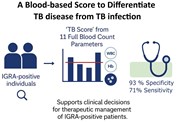
Tuberculosis remains a major global health threat, and current diagnostic tests cannot reliably distinguish active TB disease from latent TB infection. This study developed a simple, low-cost TB score based on routine blood cell counts and ratios that can identify TB disease among IGRA-positive individuals with high specificity (93%) and moderate sensitivity (71%). The TB score may support clinical decision-making, especially in low-resource settings.
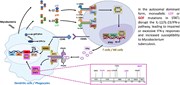
In this study, we investigated 245 patients for the contribution of rare heterozygous STAT1 variants in children and young adults with confirmed TB. Patients presented diverse clinical phenotypes, including both pulmonary and extrapulmonary forms of tuberculosis disease.
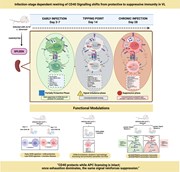
Visceral leishmaniasis (VL), caused by Leishmania donovani, is characterised by progressive immune dysregulation that supports parasite persistence. The CD40–CD40L axis is essential for antigen-presenting cell (APC) licensing and Th1-mediated nitric oxide-dependent parasite control; however, how its function evolves during infection remains incompletely understood. Here, we define the temporal regulation and functional polarity of CD40 signalling during experimental VL.
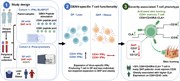
Currently the role of dengue virus (DENV) specific T cell responses in disease pathogenesis and protection are not well understood, including potential differences in those who have obesity. We sought to investigate the functionality and phenotype of T cells in patients with acute dengue fever (DF) or dengue haemorrhagic fever (DHF).
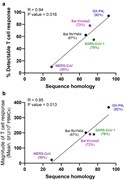
Our findings suggest that memory T-cell immunity developed after the COVID-19 pandemic time cross-recognized spike proteins of hACE2-dependent sarbecoviruses with pandemic potential. Importantly, the degree of such cross-recognition can be predicted from the spike protein sequence conservation, providing an immunological framework for assessing vulnerability to future sarbecovirus spillover.
Inflammation/Inflammatory Disease
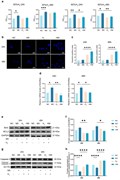
Psoriasis is a chronic disease caused by abnormal immune system response, which is characterized by excessive keratinocyte proliferation and the activation of cytokine signaling pathways. In a previous study, we demonstrated in a psoriasis mouse model that hydrogen-rich water, an effective reactive oxygen species (ROS) scavenger, significantly improves disease severity. However, the precise molecular mechanism by which hydrogen helps in psoriasis treatment remains inadequately understood. This study assessed the role of hydrogen in suppressing keratinocyte hyperproliferation and our study suggests that molecular hydrogen could function as a potential treatment for psoriasis.
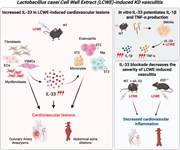
In a murine model that mimics Kawasaki disease (KD), we observe increased production of IL-33 mainly by stromal cells, which acts on tissue-infiltrating immune cells expressing the IL-33 receptor ST2 and promotes their pro-inflammatory phenotype. Blocking IL-33 in vivo reduces the severity of vasculitis, indicating that IL-33 contributes to vascular inflammation and may potentially be a therapeutic target for KD.
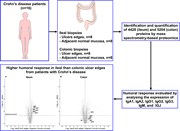
Crohn’s disease (CD) is mostly localised in the terminal ileum and colon. Understanding the immunological differences between ileal and colonic CD could be exploited to develop personalised medicine. This study reveals a higher humoral response in ileal versus colonic CD.
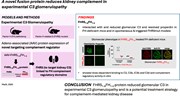
To develop an inhibitor of kidney complement we combined complement factor H-related protein 5 (FHR51-9), which binds to glomerular complement C3, with the complement regulatory domains of the key negative regulator of C3 activation, complement factor H (FH1-5). This inhibitor reduced kidney C3 in experimental models of C3 glomerulopathy driven by either factor H deficiency or mutated FHR5 and represents a novel treatment strategy for complement-mediated kidney disease.
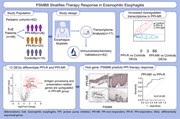
PPI-non responsive patients exhibit a more pronounced dysregulation of the immunological transcriptome in the esophageal mucosa compared to PPI-responding patients. Activation of antigen processing and presentation pathways may hamper the success of PPI therapy in EOE patients. PSMB8 may serve as predictive biomarkers for PPI therapy to stratify pediatric EoE patients for effective remission-inducing therapy.
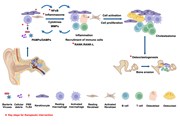
Cholesteatoma is a progressive disease of the middle ear and a common cause of discharging ears and hearing loss. This review explores what is currently known about inflammation in cholesteatoma. A deeper understanding of the how inflammatory pathways drive the pathogenesis of cholesteatoma and its bone eroding properties will lead to identification of inflammatory targets and development of hearing preserving therapies.
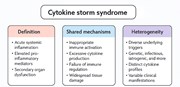
Cytokine storm syndrome is a life-threatening hyperinflammatory condition characterized by excessive and dysregulated immune activation, leading to multiorgan dysfunction and poor clinical outcomes if not promptly recognized and adequately treated. Rather than representing a single disease entity, cytokine storm syndrome is increasingly understood as a final common pathogenic pathway shared by a broad spectrum of clinical conditions converging on overlapping immunopathological mechanisms driven by sustained cytokine production, immune-cell hyperactivation, and failure of immune-regulatory pathways. The clinical presentation of cytokine storm syndrome is characterized by rapidly progressive nature, multisystem involvement, and the diagnostic challenges arising from nonspecific symptoms and overlapping laboratory features.
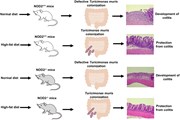
The development of inflammatory bowel diseases is postulated to be driven by the interaction between genetic susceptibility and environmental factors, resulting in proinflammatory cytokine responses to intestinal dysbiosis. Loss-of-function mutations in the nucleotide-binding oligomerization domain 2 gene (NOD2) are the strongest risk factor for Crohn's disease (CD); however, environmental factors affecting CD development have been poorly defined in patients with NOD2 mutations. In this study, we investigated whether high-fat diet (HFD), one of the possible environmental risk factors for CD, acts synergistically with NOD2 deficiency to promote dextran sodium sulfate (DSS)-induced colitis in mice.
Neuroimmunology
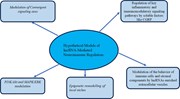
This review examines the current role of long non-coding RNAs (lncRNAs) in the neuroimmune crosstalk in oral squamous cell carcinoma and specifically their role in immune evasion and perineural invasion. Using a combination of cancer neuroscience, immunology, and epigenetics evidence, it shows the potential of lncRNAs to play a role as a molecular bridge between neural remodelling and immune suppression in the tumor microenvironment. The article shows severe gaps in knowledge and gives future research directions to develop the lncRNA-based biomarkers and therapeutic interventions in OSCC.
Prolonged TCR/CD3 and CD28 stimulation drives sustained NFATc1 signaling and TOX expression, resulting in increased inhibitory receptor expression and reduced cytokine and cytotoxic mediator release in cytotoxic T cells. Canonical β2-adrenergic receptor activation by terbutaline signals through the Gs-cAMP-PKA pathway but does not prevent exhaustion under chronic stimulation. In contrast, the β2-AR-biased agonist nebivolol engages β-arrestin-dependent signaling, stabilizes β2-AR expression, reduces NFATc1 and TOX activity, and partially restores T cell effector function


